

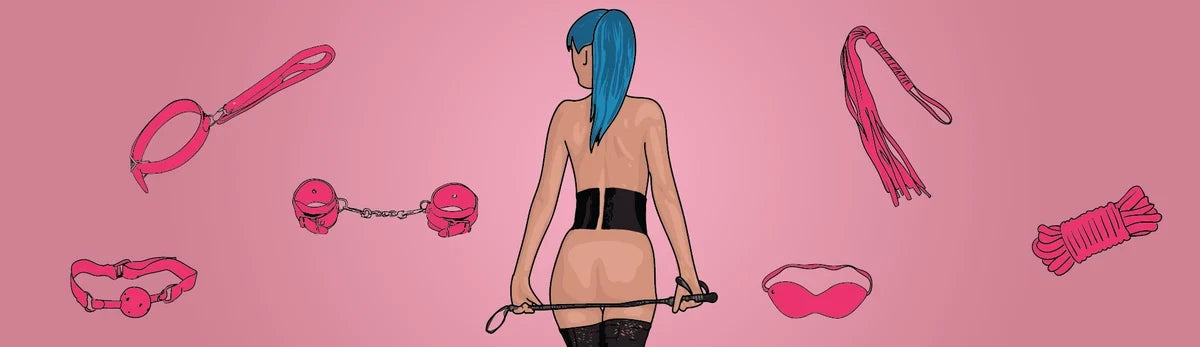
Blindfolds, Feathers & Teasing: Sensory Play for Beginners
A blindfold, a soft feather, a little anticipation. Discover how simple sensations can create a completely different kind of intimate experience.
Sometimes the most exciting part of intimacy isn't what happens, it's the anticipation of what might happen next. A soft feather trailing across your skin. The hush of a blindfold. A partner who knows exactly when to pause. That's the magic of sensory play.
If you've been curious but aren't sure where to start, this guide to sensory play for beginners walks you through the basics: what it is, how to talk about it, which toys make great first steps, and how to explore teasing and anticipation together.
What Is Sensory Play?
It's all about exploring how different sensations change the way we experience touch and intimacy.
Sensory play focuses on stimulating, changing or limiting the senses: touch, sight, sound, smell and taste. Reducing one source of sensory information, such as sight, can make other sensations feel more noticeable and increase anticipation.
It can be as gentle as a feather and a blindfold or include more intense activities such as light impact play. That flexibility makes sensory exploration a popular starting point for couples curious about BDSM and kink.
Before You Begin: Consent, Communication & Safewords
The best sensory play begins with a conversation, not a surprise.
Yes, No, Maybe
Talk about which sensations sound fun, what you're unsure about and what's completely off the table.
Choose a Safeword
Many couples use green for continue, yellow for slow down or check in, and red for stop.
Agree on a Signal
Establish a clear nonverbal stop signal if speaking might become difficult during play.
Keep Checking In
A simple "How does that feel?" helps everyone stay connected and comfortable.
Blindfolds: The Perfect First Step
Sometimes the simplest accessory creates the biggest change in anticipation.
How to Choose a Beginner Blindfold
A blindfold changes how you experience touch because you can't see where the next sensation is coming from. Even an ordinary touch can feel more noticeable when it's unexpected.
When shopping for blindfolds, look for:
- Comfort: Soft satin, faux fur or padded linings that feel comfortable against the face.
- Coverage: Contoured or padded designs that block light effectively.
- Easy Adjustment: Straps that can be loosened or removed quickly.
Feathers & Ticklers: The Art of Teasing
Light touch, changing pressure and well-timed pauses can make simple sensations more interesting.
Ticklers come in feather, faux-fur and soft-fringe designs. They're approachable for beginners because they allow gentle sensory exploration without requiring complicated equipment.
Go Slowly
Explore light strokes along comfortable areas such as the arms, shoulders and back.
Vary the Pressure
Alternate between barely noticeable touch and slightly firmer contact, based on your partner's feedback.
Try a Pause
Brief pauses can change anticipation and help you notice how your partner responds.
Mix Textures
Compare the feel of feathers, fingertips, soft fabrics and other gentle textures.
Paired with a comfortable blindfold, a simple tickler gives you plenty of ways to explore sensation without adding more elaborate equipment.
Explore Temperature, Texture & Sound
Once you've tried basic touch and blindfolds, introduce a little contrast.
Temperature
Compare comfortably warm and cool sensations. Avoid extreme temperatures and test products before use.
Texture
Rotate between silk, faux fur, soft brushes and smooth materials to notice how each feels different.
Sound
Try a favorite playlist, gentle conversation or a quieter setting that makes subtle sounds more noticeable.
Scent & Taste
Familiar scents or foods can add another sensory element. Check for allergies and use products only as directed.
Ready for More? Light Impact Play & Nipple Clamps
Curious about exploring stronger sensations? Learn how these popular BDSM tools differ before choosing your next step.
Our Sensory & Impact collection includes a range of tools for different preferences and experience levels. Some can be used for light sensory contact as well as more intense play.
Floggers
Multiple soft falls can create a broader, more distributed sensation, depending on their material and how they're used.
Paddles
Broad paddles distribute contact across a larger surface area. The sensation depends on the material and intensity.
Crops
Crops produce more focused contact through their smaller striking surface and require careful control.
Nipple Clamps
Adjustable clamps create localized pressure. Sensation varies depending on the design and individual sensitivity.
Impact & Sensation Safety Basics
- Agree on limits before introducing stronger sensations.
- Start gently and increase intensity only with clear consent.
- Avoid vulnerable areas such as the head, neck, spine, kidneys and joints during impact play.
- Stop for sharp pain, numbness, tingling, discoloration or unexpected discomfort.
- Follow the manufacturer's instructions for specialized toys.
- Check in frequently and never assume silence means consent.
Your First Sensory Play Session: A Simple Plan
Here's a beginner-friendly way to put your new knowledge into practice.
Set the Scene. Make the room comfortable and gather your chosen accessories within reach.
Review Your Boundaries. Confirm what you've agreed to explore, along with safewords and signals.
Introduce the Blindfold. Help your partner adjust it comfortably and make sure they can remove it easily.
Start With Gentle Touch. Explore comfortable areas such as the arms and shoulders with a soft tickler.
Build Anticipation. Experiment with pauses, gentle conversation and different textures.
Add Contrast. If you've both agreed, introduce another mild sensation such as a different fabric or comfortable temperature.
Check In. Ask what feels enjoyable and adjust or stop whenever needed.
Wind Down. Remove the blindfold gently, reconnect and make time for aftercare.
A first session doesn't need to be long. Around 20 to 30 minutes may be plenty, but there's no required duration. Stop whenever either person wants to.
Don't Skip Aftercare
Aftercare is the time spent reconnecting and checking in after play. Even gentle sensory exploration can bring up unexpected feelings, especially when one partner has been blindfolded.
Simple aftercare ideas include:
- Cuddling or comfortable physical closeness
- Water and a light snack
- A warm blanket or quiet time
- Gentle skincare where appropriate
- A relaxed conversation about what felt good and what you'd change
Aftercare looks different for everyone. Ask what your partner needs rather than assuming you both want the same thing.
Sensory Play FAQ
What is the best sensory play toy for beginners?
A comfortable blindfold is one of the easiest starting points. It's simple, affordable and can change how other sensations are experienced. Pair it with a soft feather tickler for more variety.
Is sensory play the same as BDSM?
Not necessarily. Sensory play can be gentle, romantic or completely separate from BDSM. It can also overlap with BDSM when partners incorporate restraint, impact or power exchange.
How do I tease my partner during sensory play?
Try slowing down, varying pressure, changing textures and adding brief pauses. Communicate regularly and follow your partner's preferences.
Do we need a safeword for gentle sensory play?
A safeword or clear stop signal is recommended, even for gentle activities. It provides a simple way to communicate discomfort or withdraw consent.
Can I try sensory play alone?
Yes. Solo sensory exploration can help you discover which textures and sensations you enjoy. Choose activities that allow you to remain in control and stop easily.
Start Exploring Your Senses
Sensory play doesn't need to be complicated. A blindfold, a feather and a little curiosity can be enough to get started. Explore new textures, sensations and toys at your own pace.
Shop Sensory & Impact Shop Blindfolds Find a Store

